
IPL Lumecca Photofacial Therapy in Calgary
Advanced intense pulsed light technology engineered to target pigmentation and vascular irregularities. Lumecca delivers greater fluence with precision filtering for more effective clearance of sun damage, redness, and broken capillaries in fewer sessions than traditional IPL systems.
Best for: Sun damage, brown spots, rosacea, broken capillaries, redness, uneven skin tone
Treatment type: In-clinic light-based procedure (30-45 minutes)
Performed by: Medical skin professionals under the direction of Marie Bertrand, Microbiologist & Joseph MacDonald, MD CFPC
Quick Overview
- What it does: Reduces brown spots, sun damage, redness, rosacea, and uneven tone through selective photothermolysis
- Ideal candidates: Fitzpatrick I-III patients with pigment or vascular concerns, sun damage, rosacea, or broken capillaries
- Typical sessions: 2-3 treatments for most concerns
- Downtime: Redness 24-72 hours post treatment; pigmented spots darken before flaking off in 1-2 weeks
- Safety profile: Clinically safe when parameters are customized to skin type and condition
- When results appear: Pigment darkens within days and clears in 1-2 weeks; redness gradually fades over sessions
- Starting from: $250, consultation required for customized plan
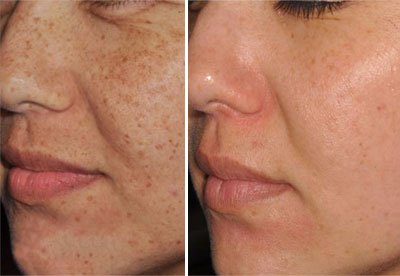
What IPL Lumecca Photofacial Treats
Pigmentation and vascular irregularities are among the most common skin concerns that bring patients to SkinScience. Years of sun exposure, hormonal changes, and natural aging can leave the skin with brown spots, persistent redness, and visible capillaries that topical products cannot adequately address.
IPL Lumecca is used as a first-line treatment when:
- Sun damage and solar lentigines are visible
- Freckles and brown spots are becoming more prominent
- Rosacea causes persistent facial redness
- Broken capillaries are visible on cheeks, nose, or chin
- Post-inflammatory pigmentation remains after acne
- Overall skin tone appears uneven or blotchy
IPL works through selective photothermolysis – converting light to heat to fragment pigment and coagulate vascular lesions while preserving surrounding tissue.
This treatment may not be appropriate for patients with active skin infections, inflammatory acne flares, or certain medical skin conditions. A consultation is essential to determine suitability.
How IPL Lumecca Photofacial Works
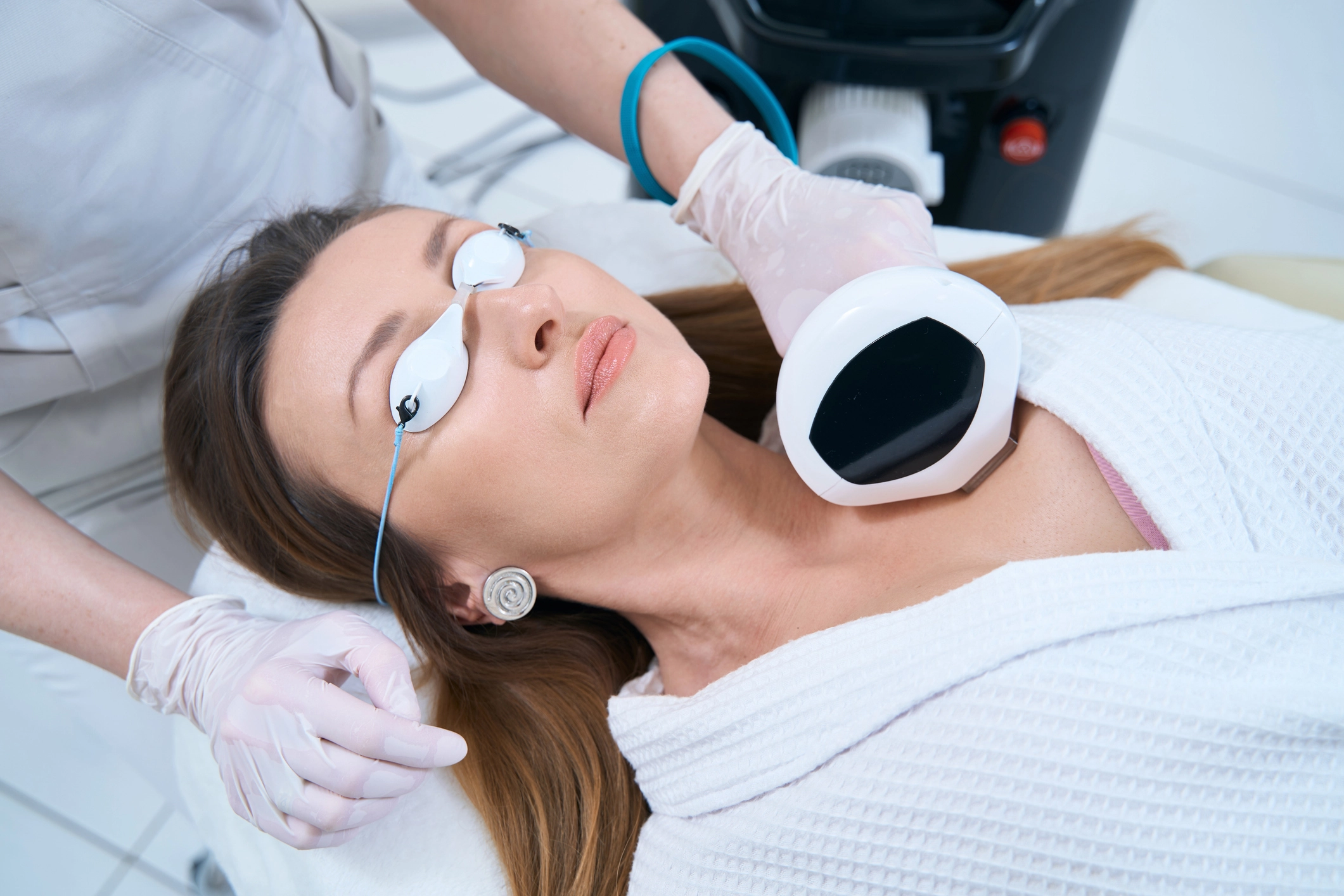
Selective Photothermolysis
IPL emits broad-spectrum light that is absorbed selectively by two chromophores in the skin: melanin (pigment) and hemoglobin (blood). This selective absorption converts light energy to heat, fragmenting pigmented lesions and coagulating vascular lesions while preserving surrounding tissue.
Unlike traditional IPL and BBL systems, Lumecca delivers higher peak power with optimized wavelength filtering, allowing more effective clearance in fewer sessions.
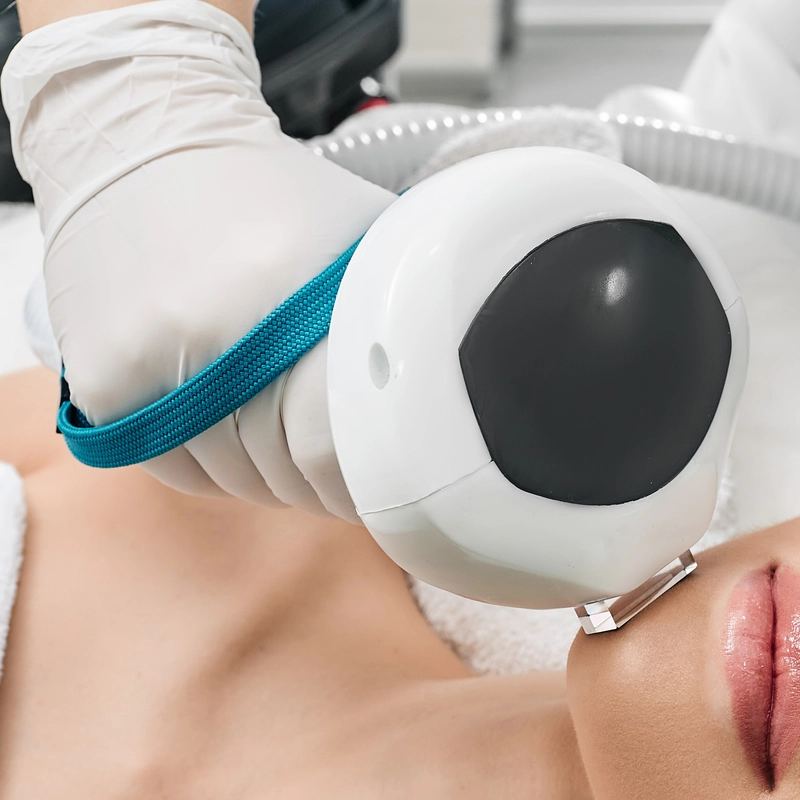
What Happens During Treatment
During treatment, the handpiece delivers calibrated light pulses across the treatment area. Pigmented spots absorb the light and darken – this is expected and indicates successful targeting. Vascular lesions coagulate beneath the surface. Over the following days and weeks, the body’s natural processes clear the treated pigment and vessels.
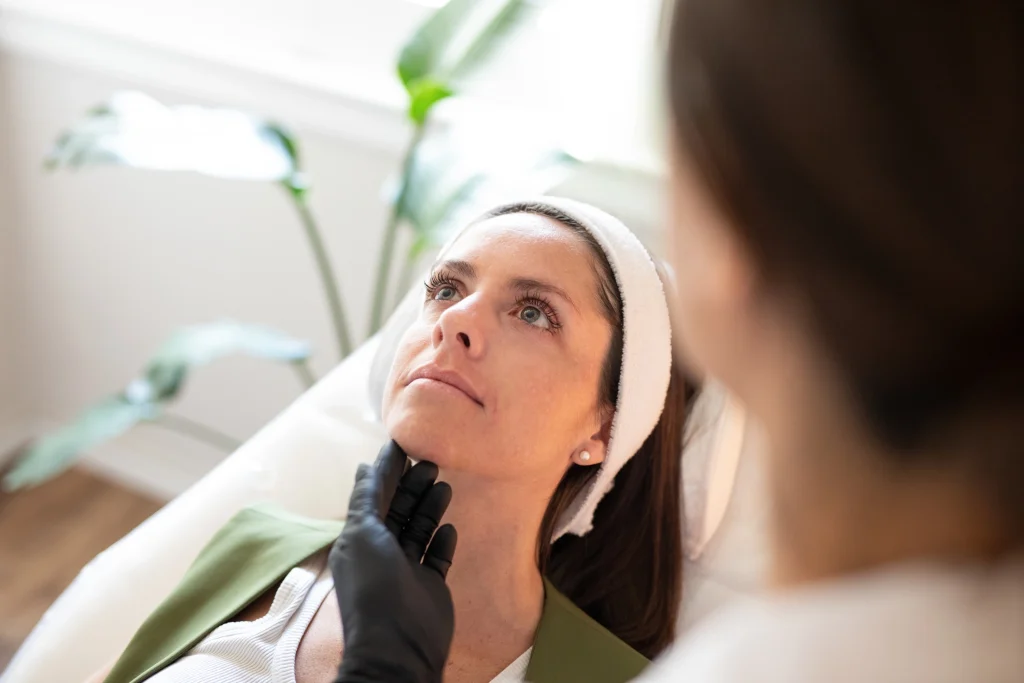
The SkinScience Protocol
At SkinScience, IPL parameters are never set to a generic default. We assess vascular depth, pigment density, and Fitzpatrick type before customizing fluence and filters. Pre- and post-treatment skincare protocols enhance outcomes and reduce risk.
IPL Lumecca vs Other Treatments
IPL Lumecca vs 532nm Laser (Green Genesis)
- IPL treats larger diffuse areas of pigment and redness simultaneously
- 532nm laser is more precise for targeting individual vessels and small lesions
- IPL is ideal for overall tone correction; Green Genesis for discrete vascular spots
IPL vs Laser Genesis (1064nm)
- IPL targets pigment directly and treats superficial vessels
- Laser Genesis focuses on deep dermal heating, collagen stimulation, and diffuse redness reduction
- IPL often has short-term visible downtime (darkening pigment); Genesis typically does not
IPL vs Chemical Peels
- IPL addresses vascular components that chemical peels cannot treat
- Chemical peels improve surface texture through chemical exfoliation
- IPL is the preferred choice when redness and vascularity are primary concerns
IPL vs Erbium Laser Resurfacing
IPL targets pigment and vascular concerns without removing skin layers. Erbium resurfacing is ablative and addresses texture, scarring, and deeper concerns. IPL is the preferred starting point for pigmentation and redness; erbium is recommended when surface renewal is the primary goal.
IPL vs RF Microneedling
IPL corrects pigmentation and vascular irregularities through light-based targeting. RF microneedling addresses skin laxity and textural concerns through thermal collagen remodeling. These treatments target different concerns and are often complementary in a comprehensive skin plan.
Results, Timeline & Expectations
IPL results are visible quickly, with most improvement occurring within the first 1-2 weeks after each session.
- Days 1-3: Pigmented spots darken; mild redness in treated area
- Week 1-2: Darkened pigment flakes off naturally; redness begins to fade
- After 2-3 sessions: Significant improvement in tone uniformity, reduced redness, and clearer skin
- Maintenance: Annual sessions may be needed, especially with continued sun exposure
IPL Lumecca photofacial does not:
- Tighten skin or treat deep wrinkles
- Treat vascular components that require precision laser targeting
- Work effectively on recently tanned or very dark skin types without careful parameter selection
The strength of this treatment is cumulative, progressive improvement that compounds over time with each session.
Safety & Suitability
IPL is clinically safe when parameters are customized appropriately for each patient’s skin type and condition.
Generally suitable for:
- Fitzpatrick I-III with pigment or vascular concerns
- Patients with rosacea seeking redness reduction
- Individuals with sun damage and uneven tone
Not suitable for:
- Recent tanning or active sun exposure
- Very dark skin types (Fitzpatrick V-VI)
- Certain photosensitizing medications
- Pregnancy
- Active herpes simplex in the treatment area
Proper skin type assessment and parameter customization are essential to minimize risk and maximize results.
Our Clinical Approach
At SkinScience in Calgary, IPL is not treated as a one-size-fits-all procedure. Under the direction of Marie Bertrand, Microbiologist with research experience at the National Institutes of Health, every IPL protocol is customized.
We evaluate:
- Vascular depth and distribution
- Pigment density and type
- Fitzpatrick skin type
- Medication history
- Sun exposure patterns
We may integrate with:
- Green Genesis (532nm) for discrete individual vessels
- Laser Genesis for diffuse redness and collagen stimulation
- Medical-grade skincare for pre- and post-treatment optimization
- LED recovery sessions
Our goal is lasting tone correction and vascular improvement – not a temporary cosmetic fix.
Frequently Asked Questions
Is IPL safe for rosacea?
Yes. IPL is one of the most effective treatments for rosacea-related redness and broken capillaries when performed with appropriate parameters for sensitive skin.
Can IPL worsen pigmentation?
When performed incorrectly or on inappropriate skin types, IPL can trigger post-inflammatory hyperpigmentation. This is why thorough consultation and skin type assessment are essential before treatment.
How many sessions are needed?
Most patients see significant improvement in 2-3 sessions. Stubborn pigmentation or extensive sun damage may require additional treatments.
Is there downtime?
Mild redness for 24-72 hours is common. Pigmented spots darken before flaking off over 1-2 weeks. Most patients return to normal activities immediately.
Can I have IPL if I’ve been in the sun?
Recent tanning is a contraindication. We recommend avoiding sun exposure and self-tanners for at least 4 weeks before treatment.
How long do IPL results last?
Results can be long-lasting, but maintenance sessions may be needed annually, especially with continued sun exposure. Consistent use of SPF helps preserve outcomes.
Can IPL be combined with other treatments?
Yes. IPL is frequently combined with Laser Genesis for collagen stimulation, Green Genesis for targeted vascular lesions, and medical-grade skincare for comprehensive results. Your treatment plan is customized during consultation.
Is IPL Lumecca Photofacial Right for You?
IPL Lumecca may be the right choice if pigmentation and redness are your primary skin concerns. It is often the most efficient corrective technology for sun damage, broken capillaries, and uneven tone.
If your concerns are more related to texture, scarring, or skin tightening, other treatments at SkinScience may be more appropriate. A consultation will determine the best approach for your specific skin.
During your consultation, we will:
- Analyze your skin using VISIA Complexion Analysis imaging
- Assess pigment density and vascular patterns
- Customize IPL parameters for your skin type
- Recommend a treatment plan with realistic expectations
Your skin tells your story. Let us help you write the next chapter with science, not guesswork.
