
Laser Acne Treatment in Calgary
Best for: Active acne, hormonal breakouts, persistent inflammatory acne, post-acne redness, oil regulation, patients seeking alternatives to long-term oral medication
Treatment type: In-clinic laser and light-based procedure (30-60 minutes)
Performed by: Medical skin professionals under the direction of Marie Bertrand, Microbiologist & Joseph MacDonald, MD CFPC
Quick Overview
- What it does: Reduces active acne by targeting bacteria, reducing inflammation, regulating sebaceous activity, and calming post-acne redness using laser and light-based technologies
- Ideal candidates: Patients with persistent inflammatory acne, hormonal breakouts, acne that has not responded adequately to topical treatment, or those seeking an alternative to long-term oral antibiotics or isotretinoin
- Typical sessions: 4-8 treatments, spaced 2-4 weeks apart depending on acne severity and treatment modality
- Downtime: Minimal to none; mild redness for a few hours post-treatment
- Safety profile: Well-established, non-ablative approach suitable for a range of skin types when parameters are customized
- When results appear: Reduction in new breakouts within 2-4 weeks; progressive clearing over the full treatment course
- Starting from: $250 per session, consultation required for customized plan
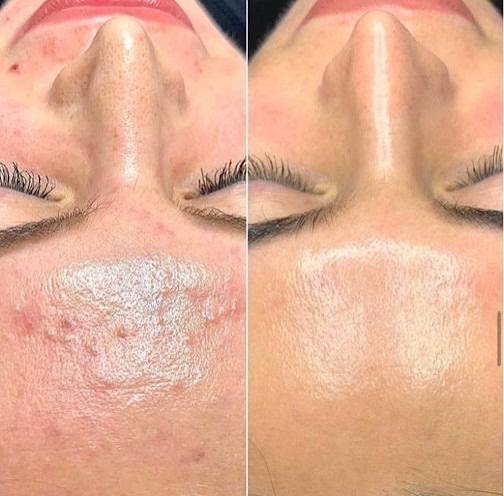
What Laser Acne Treatment Addresses
Active acne is one of the most frustrating skin conditions patients bring to SkinScience. Many have cycled through over-the-counter cleansers, prescription topicals, and even oral medications without achieving lasting control. Others are concerned about the side effects of long-term antibiotic use or isotretinoin and want an alternative approach.
Laser acne treatment is commonly recommended when:
- Inflammatory acne persists despite consistent topical treatment
- Hormonal breakouts recur along the jawline, chin, or lower face
- Post-acne redness (post-inflammatory erythema) lingers for weeks or months
- Oral medication is not desired or has been discontinued
- Oil production and congestion contribute to frequent breakouts
- Back or body acne is present and resistant to topical treatment alone
- A comprehensive, non-pharmaceutical approach is preferred
This treatment may not be appropriate for patients with active cystic acne requiring medical intervention, certain photosensitizing medications, or pregnancy. A consultation is essential.
This treatment may not be appropriate for patients with active skin infections, inflammatory acne flares, or certain medical skin conditions. A consultation is essential to determine suitability.
How Laser Acne Treatment Works

Targeting Acne at the Source
Laser and light-based acne treatments work through several complementary mechanisms. Specific wavelengths of light are absorbed by chromophores in the skin – including the porphyrins produced naturally by acne-causing bacteria (Cutibacterium acnes). When these porphyrins absorb light energy, they generate reactive oxygen species that destroy the bacteria from within, reducing the bacterial load that drives inflammatory breakouts.
Additionally, controlled thermal energy can reduce sebaceous gland activity, helping to regulate the excess oil production that contributes to clogged pores and recurring breakouts.

The Technologies We Use
At SkinScience, acne treatment protocols may incorporate one or more of the following technologies, depending on the type and severity of acne:
- Laser Genesis (1064nm Nd:YAG): Reduces inflammation, calms redness, and stimulates dermal healing. Particularly effective for post-inflammatory erythema and diffuse acne-related redness
- IPL (Lumecca): Targets vascular and pigmentary components of acne. Broad-spectrum light addresses redness and post-inflammatory pigmentation while contributing to bacterial reduction
- Chemical Peels: Often integrated into laser acne protocols to address surface congestion, unclog pores, and accelerate cellular turnover between laser sessions

The SkinScience Protocol
Every acne treatment plan at SkinScience begins with a comprehensive skin consultation, including VISIA Complexion Analysis, to identify the type of acne, contributing factors, and any underlying skin conditions. Treatment is never one-size-fits-all.
Marie Bertrand’s background in microbiology directly informs SkinScience’s approach to acne – understanding the bacterial and inflammatory pathways that drive breakouts allows for more targeted, effective treatment than generic laser protocols.
Comparisons with Other Treatments
Laser Acne Treatment vs Topical Products
Topical treatments (cleansers, benzoyl peroxide, retinoids) address acne at the skin’s surface. They can be effective for mild acne but often fail to control deeper inflammatory or hormonal breakouts. Laser treatment targets the biological drivers of acne – bacteria and sebaceous activity – beneath the surface, where topicals cannot reach effectively.
Laser Acne Treatment vs Oral Antibiotics
Oral antibiotics reduce acne bacteria systemically but carry risks including antibiotic resistance, gut microbiome disruption, and potential long-term health effects. Laser acne treatment achieves bacterial reduction locally without systemic side effects, making it an attractive option for patients seeking to reduce or eliminate reliance on oral medication.
Laser Acne Treatment vs Isotretinoin (Accutane)
Isotretinoin remains one of the most effective treatments for severe cystic acne but carries significant side effects including dryness, sensitivity, potential mood changes, and strict monitoring requirements. Laser acne treatment is a non-pharmaceutical alternative that can meaningfully improve moderate inflammatory acne without systemic medication. For severe cystic acne, isotretinoin may still be the most appropriate first-line treatment – this is assessed during consultation.
Laser Acne Treatment vs Chemical Peels Alone
Chemical peels address surface-level congestion and accelerate turnover, making them effective for comedonal acne and mild breakouts. Laser treatment penetrates deeper to target bacterial colonies and inflammatory pathways that peels cannot reach. At SkinScience, peels and laser are frequently combined for comprehensive acne management.
In-Clinic Laser Treatment vs At-Home LED Devices
At-home LED devices operate at significantly lower energy levels than clinical laser systems. While they may offer modest improvement for very mild acne, they cannot replicate the bacterial destruction, sebaceous regulation, or dermal healing achieved by medical-grade laser technology administered by trained professionals.
Results, Timeline & Expectations
Laser acne treatment is a progressive approach. Acne is a chronic condition influenced by hormones, lifestyle, and genetics – meaningful improvement requires consistency and patience.
- Short term (2-4 weeks): Reduction in new inflammatory breakouts. Post-acne redness begins to fade
- Mid term (1-3 months): Significant reduction in active breakouts. Oil production may normalize
- Long term (3-6 months): Sustained acne control with fewer and less severe breakouts
- Maintenance: Periodic sessions may be recommended to maintain control, particularly for hormonally driven acne
Laser acne treatment does not cure acne permanently in a single session, replace medical intervention for severe cystic acne, or treat acne scarring directly (scarring requires separate protocols).
Laser acne treatment does not:
- Cure acne permanently in a single session
- Replace medical intervention for severe cystic acne
- Eliminate all future breakouts
- Treat acne scarring directly (requires separate protocols)
The strength of this treatment is cumulative, progressive improvement that compounds over time with each session.
Safety & Suitability
Laser acne treatment is well tolerated when performed by qualified medical professionals using parameters customized to each patient’s skin type and acne presentation.
You may not be a candidate if you:
- Have active cystic acne requiring medical or dermatological intervention
- Are currently using isotretinoin (a waiting period is required after discontinuation)
- Have active skin infections in the treatment area
- Are taking certain photosensitizing medications
- Are pregnant
Common temporary side effects:
- Mild redness for a few hours post-treatment
- Slight warmth or tingling in the treatment area
- Temporary increase in breakouts as bacteria are eliminated (purging phase)
- Mild dryness as skin adjusts to treatment
Laser acne treatment is generally safe across a range of skin tones when appropriate wavelengths and parameters are selected. A consultation at SkinScience is essential to assess suitability.
Our Clinical Approach
At SkinScience, acne is not treated as a surface-level cosmetic concern. It is approached as a complex, multifactorial skin condition that requires understanding of bacterial biology, inflammatory pathways, hormonal influences, and individual skin physiology.
This approach is informed by founder Marie Bertrand’s training as a microbiologist with research experience at the National Institutes of Health. Her understanding of microbial behavior and skin biology directly shapes how SkinScience develops acne treatment protocols.
Our acne treatment approach is guided by:
- Thorough skin analysis (including VISIA imaging) to identify acne type and contributing factors
- Conservative, evidence-based treatment planning that avoids over-treatment
- Customized technology selection (Laser Genesis, IPL, chemical peels) based on individual presentation
- Integration of medical-grade skincare to support treatment outcomes between sessions
- Long-term acne management strategy rather than short-term suppression
Frequently Asked Questions
Can laser treatment clear my acne completely?
Laser treatment can significantly reduce the frequency and severity of breakouts, but acne is a chronic condition influenced by hormones, genetics, and lifestyle. Most patients experience meaningful improvement with a treatment series and ongoing maintenance, rather than a permanent cure from a single session.
How many sessions will I need?
Most patients benefit from a series of 4-8 sessions, spaced 2-4 weeks apart. The exact number depends on acne severity, type, and how your skin responds to treatment.
Is laser acne treatment painful?
Most patients describe the sensation as a gentle warmth. Laser Genesis in particular is comfortable enough that no numbing cream is required. Treatment parameters are always adjusted for your comfort.
Can I have laser treatment if I'm on acne medication?
Many topical medications are compatible with laser treatment. However, isotretinoin (Accutane) requires a waiting period after discontinuation before laser treatment can begin. All medications are reviewed during your consultation.
Will my acne get worse before it gets better?
Some patients experience a brief purging phase in the first 1-2 weeks as bacteria are eliminated and skin turnover accelerates. This is temporary and typically resolves quickly.
Is laser acne treatment safe for darker skin tones?
Yes, when appropriate wavelengths and parameters are selected. The 1064nm Nd:YAG wavelength (Laser Genesis) has lower melanin absorption, making it safer across a broader range of skin tones. Individual assessment is always performed.
Can laser treatment help with acne scars too?
Laser acne treatment focuses on active breakouts and prevention. Acne scarring requires separate protocols such as microneedling with exosomes, RF microneedling, or erbium laser resurfacing. Many patients begin with acne control and transition to scar treatment once breakouts are managed.
Is Laser Acne Treatment Right for You?
Laser acne treatment is ideal for patients who want meaningful, progressive improvement in their acne without relying solely on medication. It is especially effective for those with inflammatory acne, hormonal breakouts, or persistent post-acne redness.
If you have been managing acne for years without satisfactory results, or if you want a science-driven treatment plan built around your specific skin biology, a consultation at SkinScience is the right next step.
During your consultation, we will:
- Analyze your skin using VISIA Complexion Analysis imaging
- Identify your acne type, severity, and contributing factors
- Recommend a customized treatment plan with realistic timelines
- Discuss budget-tiered options so you stay in control
Your skin tells your story. Let us help you write the next chapter with science, not guesswork.
